
Women, Climate and Water Security: Women’s Water Dialogue held in Dushanbe
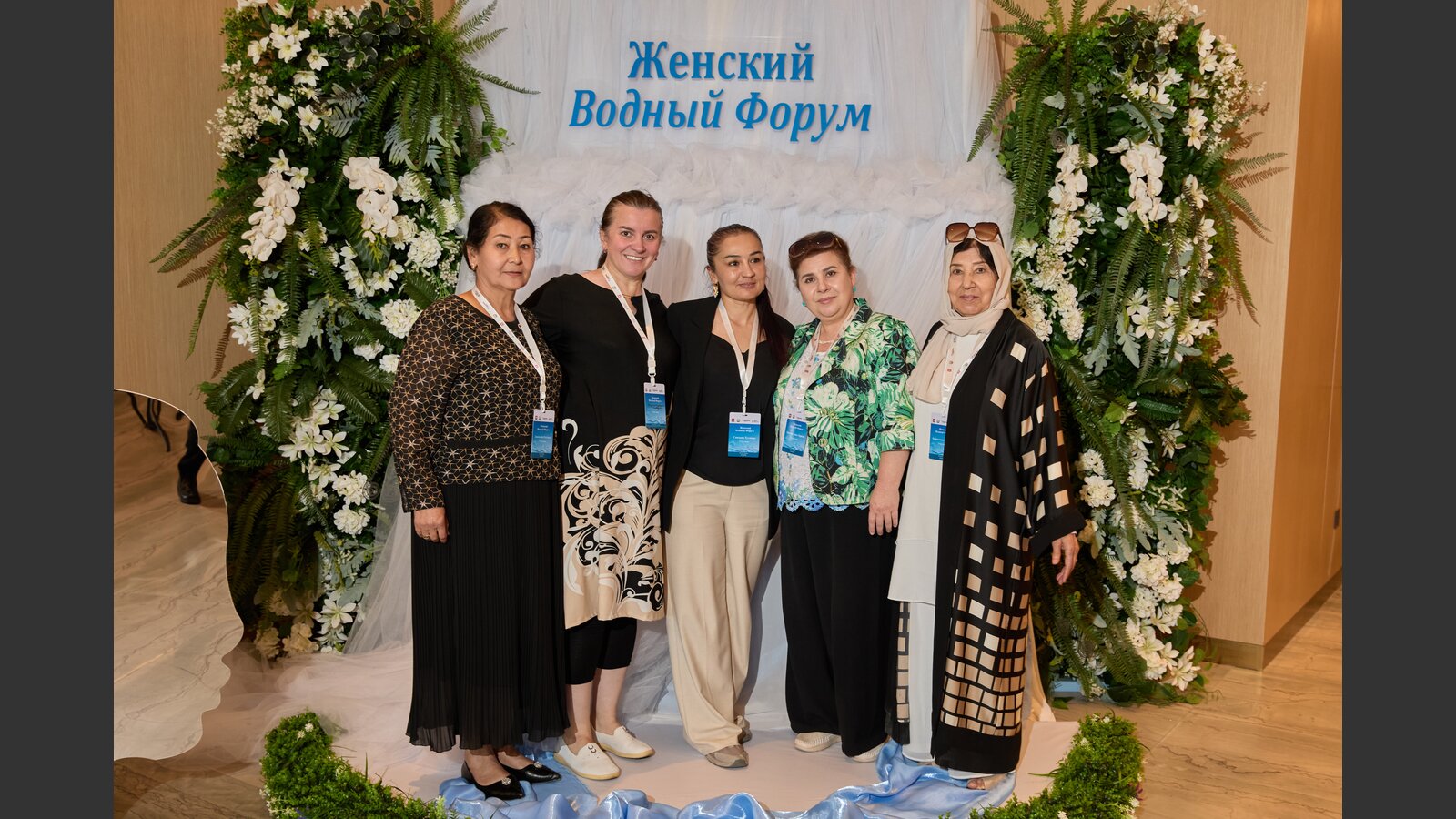
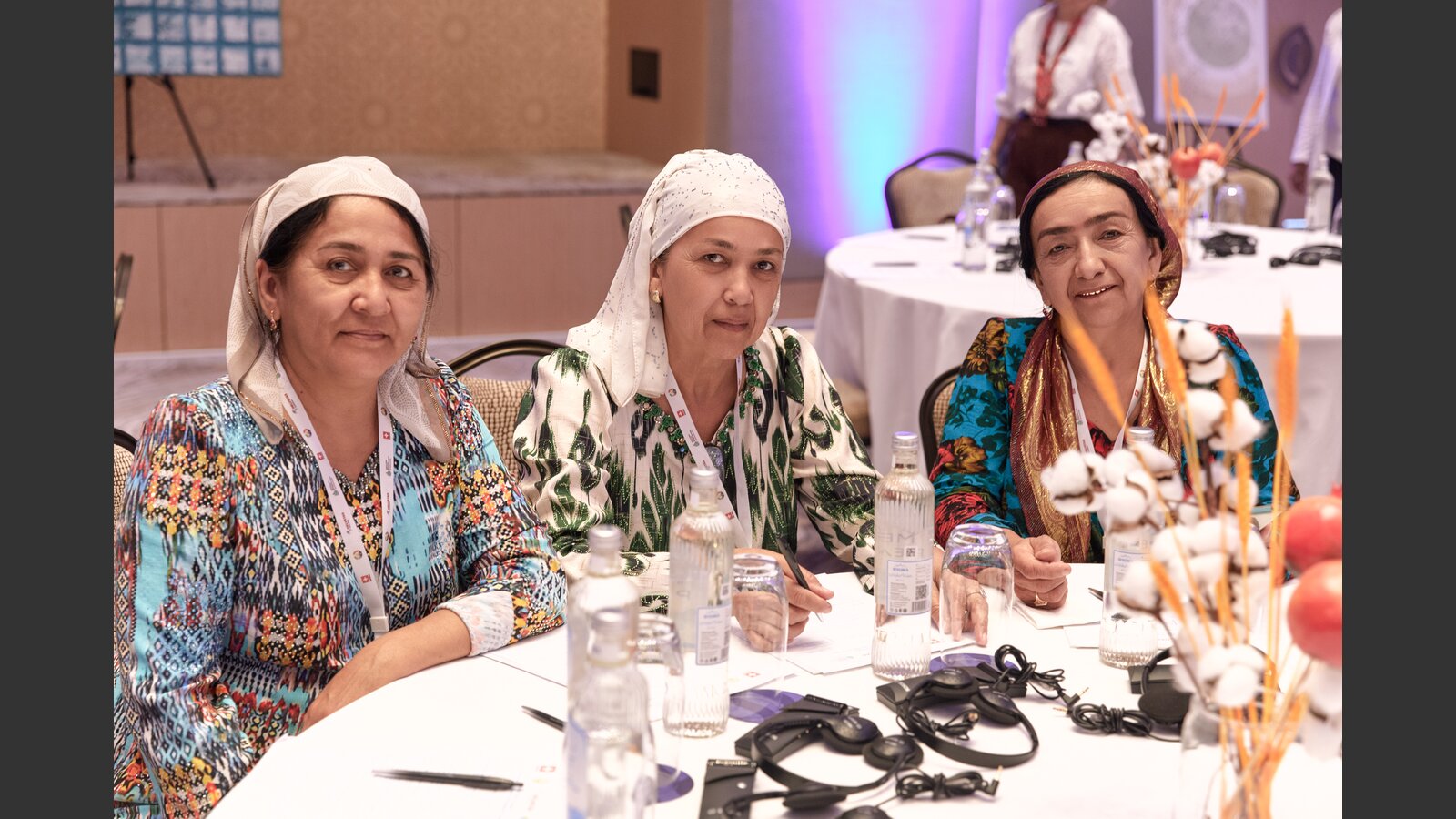
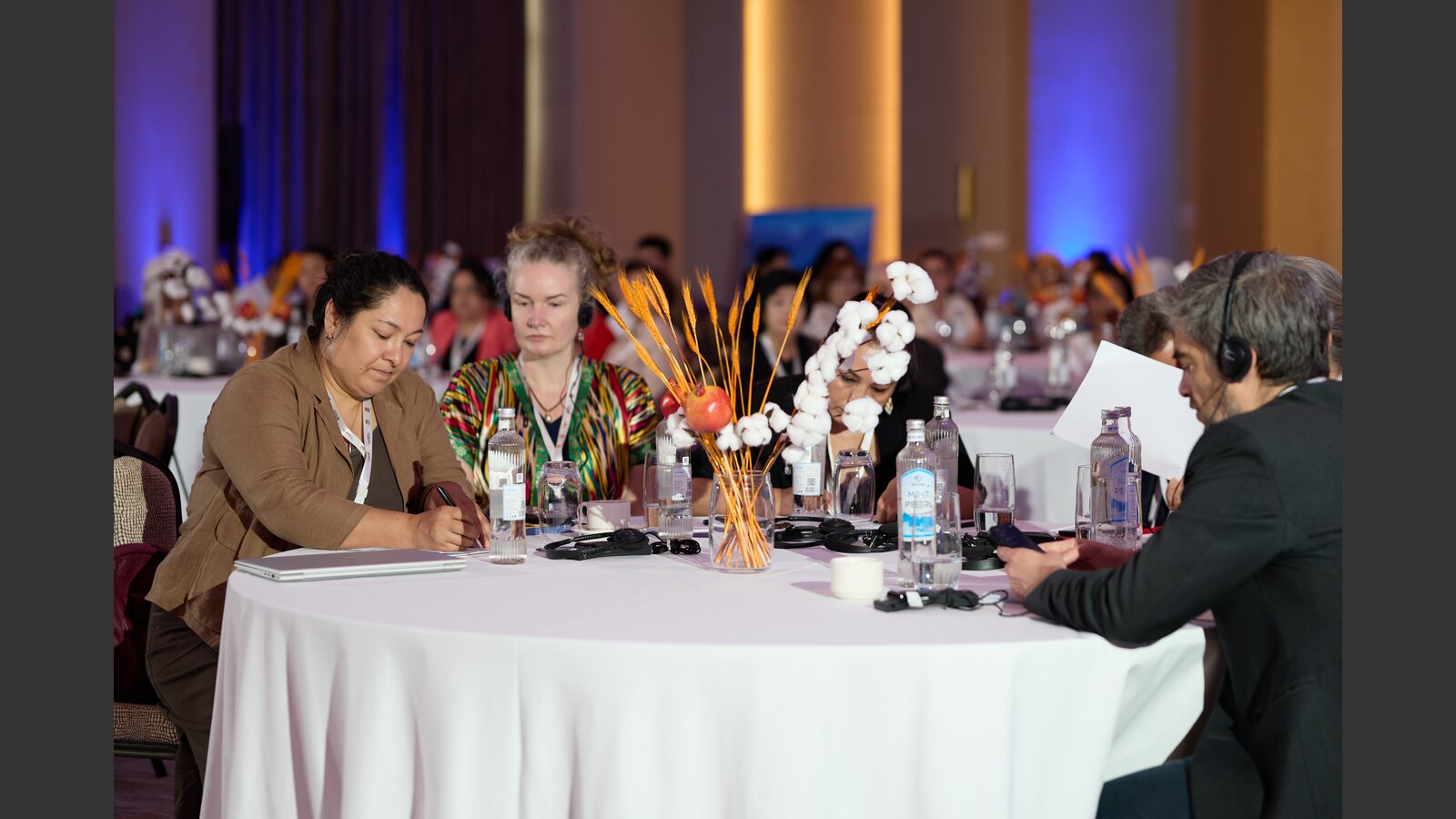
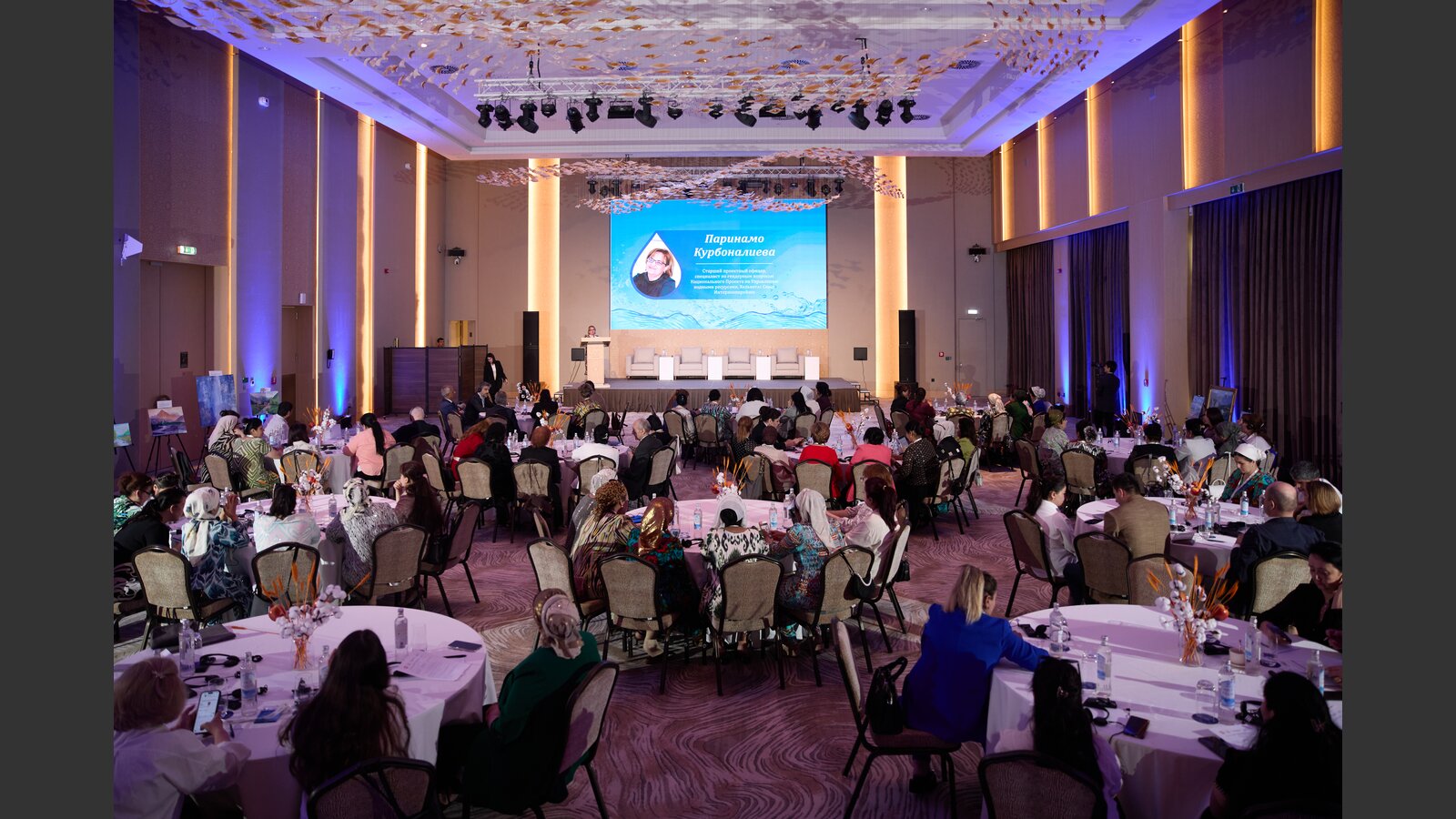
The Dialogue brought together representatives from government bodies, international organizations, the scientific and expert community, the civil sector, and women working in Tajikistan’s water sector, as well as in the fields of the environment, science, sustainable development and community initiatives. The main theme of the event was the interconnection between water security, climate change, sustainable development and the growing role of women in managing environmental change
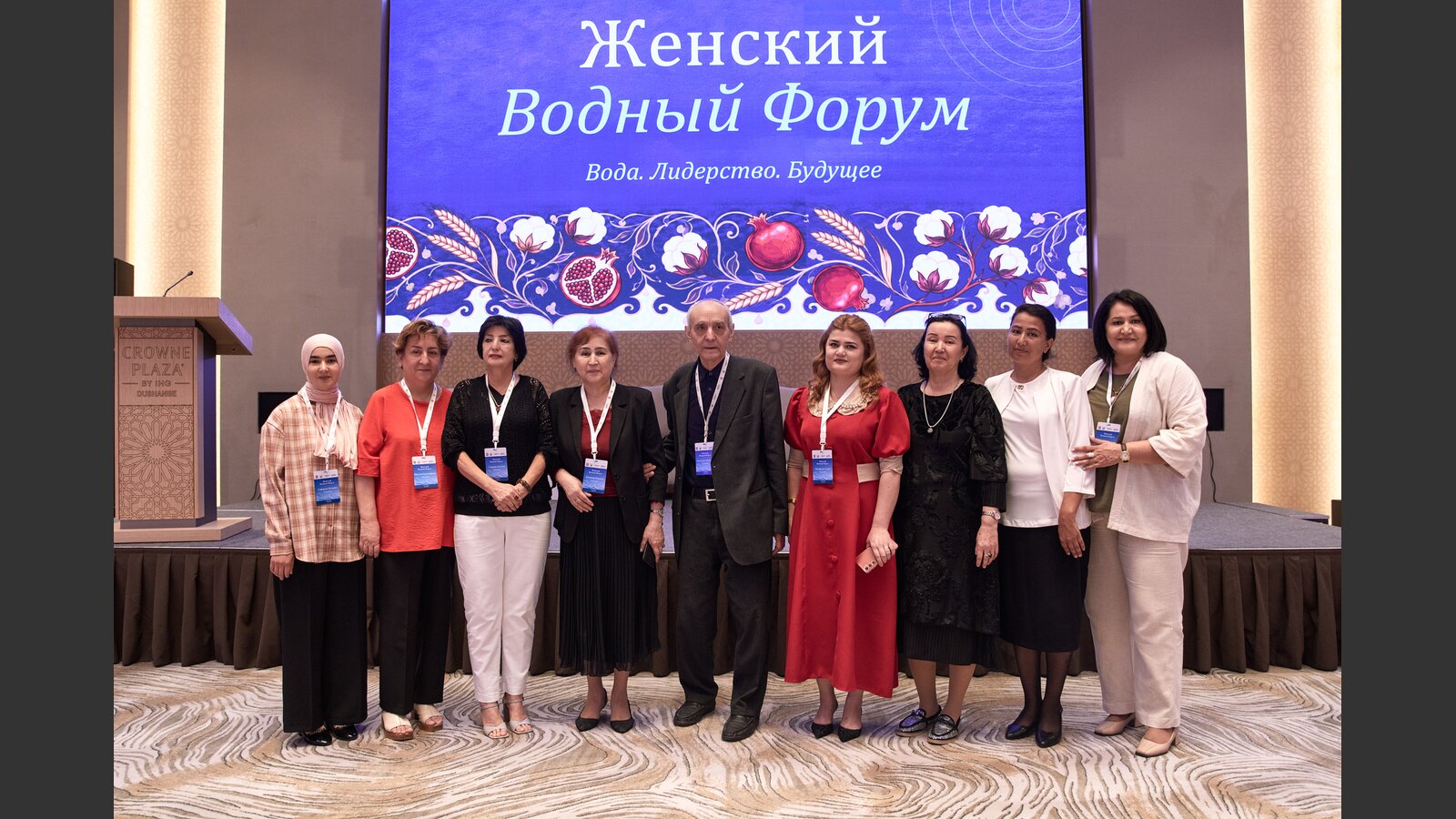
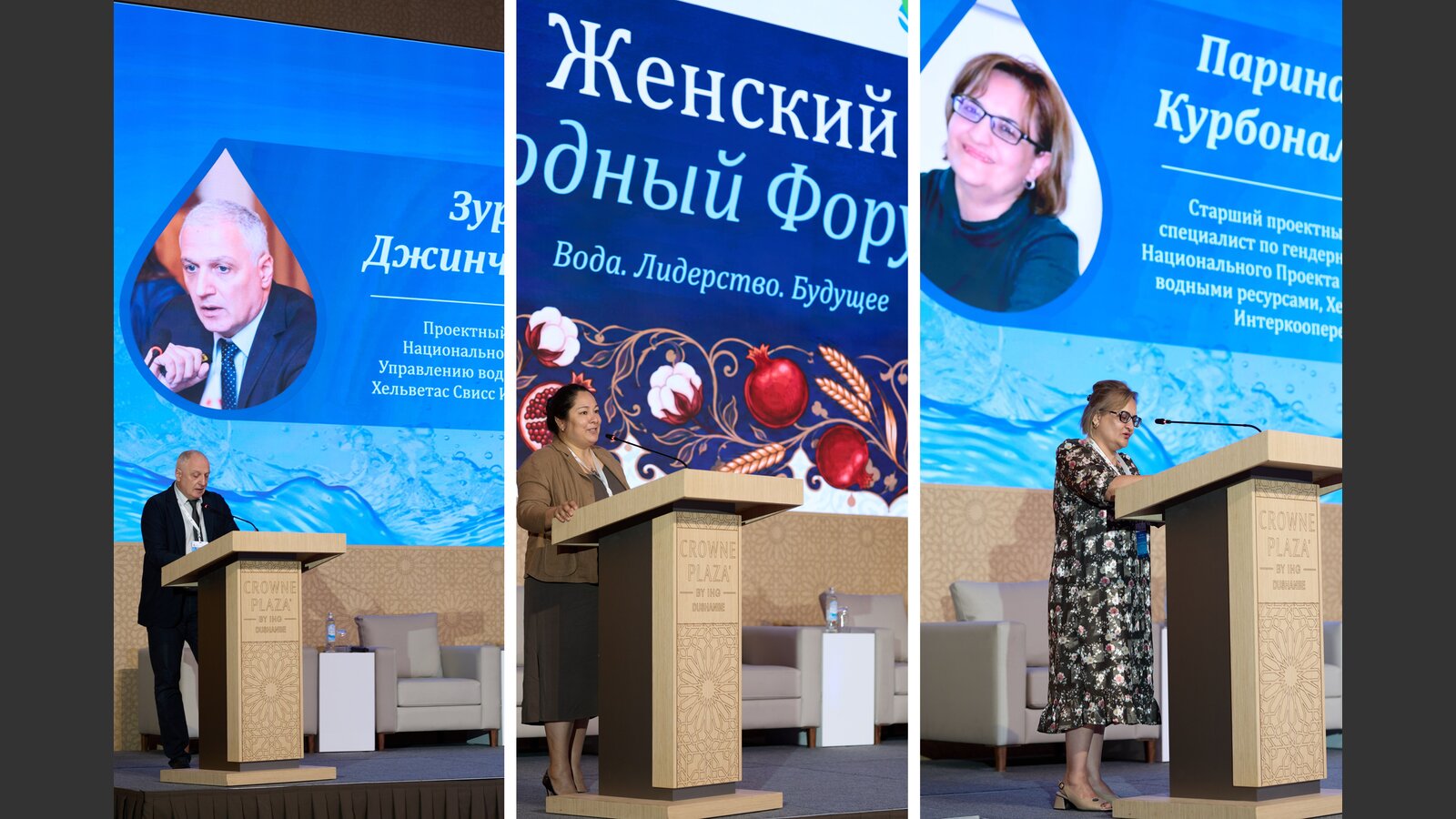
The Women’s Water Dialogue, organized as part of the National Water Resources Management Project, funded by the Swiss Government and implemented by a consortium of HELVETAS Swiss Intercooperation and ACTED took place at the Crowne Plaza Dushanbe hotel.
The Dialogue brought together representatives from government bodies, international organizations, the scientific and expert community, the civil sector, and women working in Tajikistan’s water sector, as well as in the fields of the environment, science, sustainable development and community initiatives. The main theme of the event was the interconnection between water security, climate change, sustainable development and the growing role of women in managing environmental change.
During the Dialogue, participants were presented with the National Water Resources Management Project, which aims to promote a sustainable and inclusive approach to water resources management in Tajikistan.
The Dialogue placed particular emphasis on issues relating to climate monitoring, glacier melt and their impact on natural disasters and climate risks, the quality of life of the population, and the country’s socio-economic development. The first panel session focused on women’s participation in glaciological research and the monitoring of climate processes. The participants discussed the role of science, field research and analytics in shaping sustainable climate policy.
One of the Dialogue’s symbolic features was the art installation “Continuous Melting”, displayed in the event foyer. The installation depicted a glacier as a living organism in a constant state of transition between ice and water and highlighted the need to understand climate change through science, culture and public dialogue.
The Dialogue saw extensive discussion of the barriers to advancing the role of women in the water sector, environmental management and decision-making. The participants emphasized that sustainable development is impossible without the active participation of women in expert, scientific and managerial activities.
A separate section of the programme was dedicated to sustainable consumption and the link between the environmental agenda and the creative industries. Designer Nafisa Imranova gave a talk on the future of fashion, upcycling and conscious consumption, emphasizing the need to mitigate the textile industry’s impact on water resources and the environment.
The closing panel session focused on water security and the role of women as key agents of change at local and national levels. Participants shared practical experiences of working with communities through nursing, initiatives and projects in the field of sanitation and hygiene and raising public awareness of climate resilience.
The Dialogue also featured an art exhibition showcasing works by local artists on the themes of water, climate and the relationship between humans and nature. The exhibition added a visual and emotional dimension to the expert discussion, highlighting the importance of public and cultural engagement with issues of sustainable development and water security.
The Dialogue concluded with a general discussion on the next steps towards strengthening women’s leadership, fostering expert collaboration and promoting the sustainable management of natural resources in Tajikistan. At the close of the Dialogue, Sharifzoda Gul Vahob emphasized the need to further strengthen cooperation between government bodies, the scientific community and development partners in addressing water and climate challenges. According to him, the Women’s Water Dialogue has become an important platform for promoting professional dialogue, women’s leadership and sustainable water resource management.
The organizers noted that such platforms are becoming an important forum for bringing together science, politics, international cooperation and public initiatives around a common goal: a sustainable future for the country.
For further information, please contact:
Zurab Jincharadze, Project Manager, National Water Resources Management Project, HELVETAS, 2A Bukhoro Street, Dushanbe;
e-mail: Zurab.Jincharadze@helvetas.org